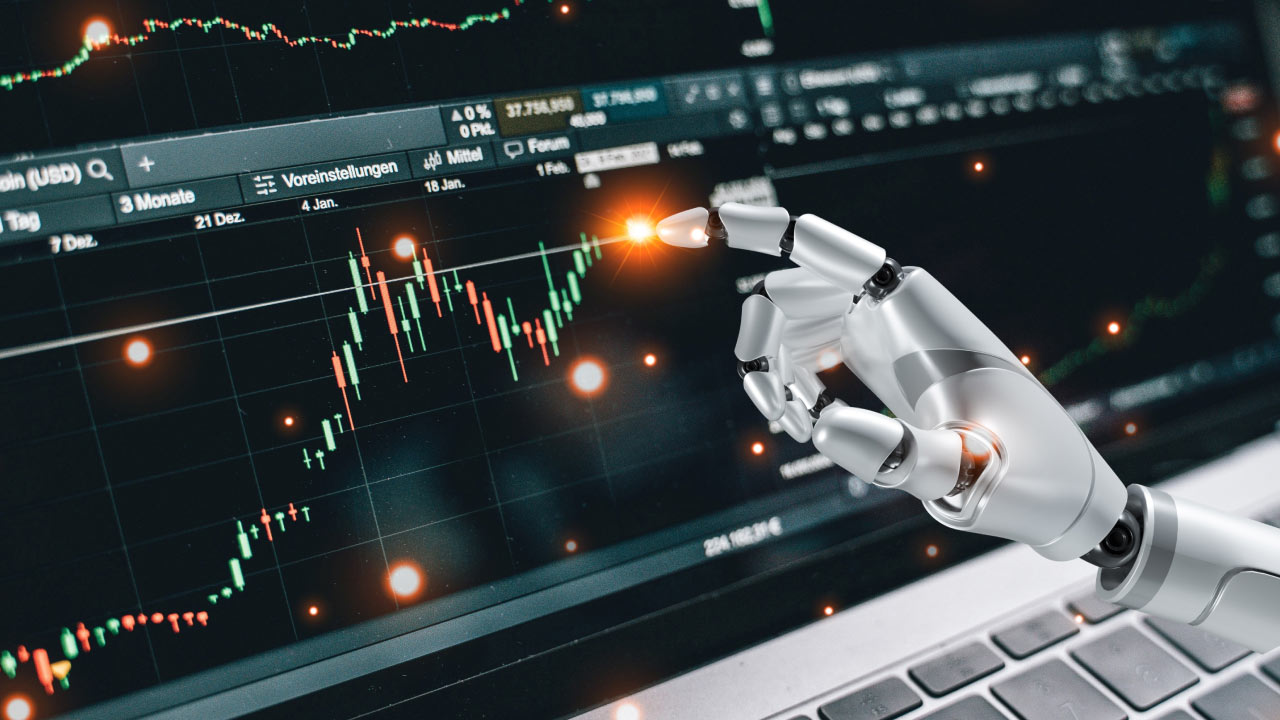
Major news events have a dramatic impact on the financial markets with stock prices. Economic data releases, earnings reports, and statements are some of the things that could bring about large volatility in the Nasdaq derivatives markets. Thus, to dwell on the risks and opportunities of futures options trading, such traders must strive to be able to position themselves both before and after each of these events and tie such decisions in with working hours of Nasdaq futures. Within such scenarios, timeliness and liquidity undergo change and, besides, the volatility will profoundly change their patterns, thereby making knowledge about the session a must-have skill for a trader.
How Does the News Affect the Trading of the Futures Options?
Futures options are unique in that they permit investors to express opinions not only on the futures direction, but also on volatility and time. News a lot of times does trigger an expansion of volatility preannouncement, and an immediate reduction thereafter, creating peculiar behaviors in option premiums. Anticipation increases the implied volatiles, while a clear view gives way to a reduction in volatilities after the event.
These Nasdaq futures interest from nearly around-the-clock trade equates to news effecting a move at any hour, rather than during regular U.S. trading hours. This makes it a vital matter to get a grip on the Nasdaq Futures trading hours while creating options strategies around major announcements.
Key News Events Affecting Nasdaq Futures
Different pieces of news evolve and set off a variety of reversals concerning the Nasdaq futures and their associated options. Some of the most influential news includes U.S. economic data, such as CPI, PPI, employment reports, and Federal Reserve decisions. Likewise, the earnings reports released after the Nasdaq equity closes of some tech giants have real potential to reflect in the movement of the Nasdaq index.
There may be implications in terms of global events also, with the overnight developments in Asia or Europe—central bank decisions or geopolitical effort triggering moves that are not picked up until extended Nasdaq futures trading hours, often long before the U.S. becomes active.
Trading Before News During Nasdaq Futures Trading Hours
Before key news, all kinds of uncertainty arise which find reflection in higher premiums for options. A rising implied volatility on the futures options trading often occurs during the period after anticipation. If these traders so think, they buy options intended to profit from an enlarging implied volatility under the release or direction fade.
Nonetheless, buying options too early can be costly as this implies time decay erodes premium value before the event takes place. Many traders, therefore, time entries closer to the announcement, ideally during more liquid Nasdaq-futures trading hours, when spreads are tighter and pricing is more efficient.
Contrastingly, selling into news for option sellers means scaling back on outsize pivots. Selling options before major announcements is very dangerous unless the risk is clearly defined by selling delegations. Therefore, understanding the maximum liquidity points in Nasdaq futures trading hours will help option sellers to refrain from entering positions with swooping higher or unstable prices.
Trading Immediately After News Releases
The time after a major news release is characterized by high volatility. As information begins seeping in, Nasdaq futures move very fast before settling down, and options prices will adjust accordingly. During such times, futures options trade becomes a double-edge sword—wherein one person sees opportunity and another is laden with risk.
When the knee-jerk reaction dies down, implied volatility tends to crush. For those who went long a put or call pre-event—such buyers will see a continuing drop in IV till they see a huge price slide in the equities. One could argue that option sellers get rewarded for selling premium after the news, if and only if the indecision has receded to allow for a lowering of IV and a rise in price.
Liquidity reaches its peak immediately after the release of news, when the Nasdaq futures are trading across the regular hours. This is a time to get in position to make adjustments, bank the profit, or cut losses with high efficiency. If the news is released after hours, the liquidity will always be thinner with wider spreads, and hence more conservative management.
Strategic Uses of the Extended Hours
One of the features that make Nasdaq futures stand out is their extension of normal trading hours. It must be observed that every news released after U.S. cash equity closes causes a stir in the direction of the futures market in the after-market or overnight conditions. Consequently, futures options trading opportunities during those periods are limited by low liquidity.
These traders working in the extended Nasdaq futures trading hours often use very small position sizes and go for longer-dated options to lessen the risk of execution. While driving high price movements, the lack of depth in the market will less precisely price the options, increasing the importance of discipline and proper trade planning.
Risk Management Around News Events
Risk management stands taller when dealing with news and futures options trading. Defined-risk strategies like short vertical spreads, calendars or straddles of small size can help mitigate potential downsides. No matter how the story starts, the ways in which situations change from low-liquidity hours to high-liquidity hours must not be a surprise to the trader.
It is very easy to prevent emotional decisions by well-preplanned entries and exits before the event and by the knowledge of when important tidbits are handed out and what liquidity has evolved during that day. With Nasdaq futures contracts standing tall on news, one gets heard more for preparation, not prediction.
Conclusion
News trading success is not just in knowing what is going to be pushed out but in understanding completely how the market behaves in different periods. By adhering to dovetail strategies during prime Nasdaq trading hours, forex options trading provides an onus to ease volatility, risk, and maybe opportunity. It is these that stay on as the mainstay of trading that could be encashed before news while being used to manage risk post-news whammy for a forest view vis-a-vis secured profit, which tempers the turbulence of regularly news-run Nasdaq bars.